Fancywel Script Font for Elegant Digital Design
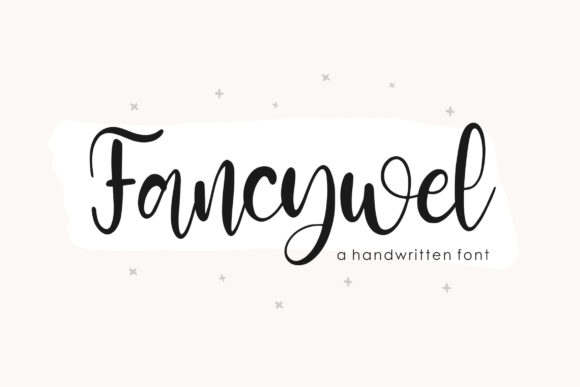
Fancywel is a lovely and delicate script font that exudes elegance and class — a premium Script Handwritten typeface crafted specifically for designers who need a beautiful and refreshing look across websites, landing pages, digital products, and brand-focused web experiences. As a web designer who ships high-converting interfaces daily, I reach for Fancywel when the goal is to communicate sophistication without sacrificing clarity or digital legibility.
Fancywel for Hero Headlines and Landing Page Titles
Fancywel shines brightest in large-scale, high-impact placements — especially hero section headlines on SaaS landing pages, course sales pages, and boutique online store banners. Its delicate strokes and graceful letterforms create immediate visual hierarchy, guiding the eye before the first word is read. Because it’s a refined Script Handwritten font — not overly ornate or difficult to parse — it remains highly scannable at 48px+ on desktop and scales cleanly down to 36px on tablet. I use Fancywel exclusively for primary headlines paired with a neutral sans serif (like Inter or Manrope) for body copy — a pairing that balances personality with performance.
Fancywel for Brand Identity and Logo Text in Web Design
When building a cohesive digital brand identity, Fancywel delivers consistent tone across every touchpoint: logo lockups, favicon text variants, email headers, and branded dashboard UI elements. Unlike many decorative Fonts, Fancywel avoids visual fatigue — its rhythm feels intentional, not chaotic — making it ideal for logos that appear repeatedly in navigation bars, mobile app headers, and social media bios. For creative entrepreneurs and wellness coaches launching their first website, Fancywel adds instant credibility and warmth without requiring custom illustration or complex animation.
Fancywel for E-commerce Banners and Product Launch Graphics
In online stores — especially those selling luxury goods, handmade ceramics, botanical skincare, or curated stationery — Fancywel elevates promotional banners far beyond generic templates. I embed Fancywel into SVG-based hero banners (not raster images) so text remains crisp at any resolution, and always test contrast against both light and dark background overlays. Its delicate weight ensures it doesn’t compete with product photography, while still carrying emotional resonance. As a Script Handwritten font, Fancywel subtly signals craftsmanship and care — critical trust signals for conversion-focused layouts.
Fancywel for Blog Headers and Editorial Web Content
Blog headers, newsletter subject lines, and featured post titles benefit immensely from Fancywel’s expressive character. When used sparingly — never for full paragraphs — it reinforces voice and editorial intent. For lifestyle bloggers, independent publishers, or SaaS content teams, Fancywel adds a human, hand-crafted layer to otherwise functional layouts. On responsive sites, I serve Fancywel as a WOFF2 webfont with fallback to system fonts, ensuring fast load times and graceful degradation. It performs exceptionally well on light backgrounds and pairs beautifully with serif body fonts like Merriweather for long-form reading.
Fancywel for Mobile App Screens and UI Microcopy
While Fancywel isn’t intended for interface labels or small buttons (avoid under 20px), it excels in strategic UI accents: welcome screens, onboarding step headers, testimonial quotes, and “thank you” modals. As a Script Handwritten font, it injects personality into otherwise utilitarian flows — think of a meditation app’s “Breathe In” screen or a wedding planning tool’s “Your Story Begins Here” CTA. Always test on real iOS and Android devices: Fancywel renders cleanly on modern browsers but requires proper font-display: swap declarations to prevent invisible text during load.
Fancywel for Portfolio Websites and Creative Freelancer Branding
Creative freelancers — UI designers, illustrators, photographers, and branding specialists — rely on Fancywel to signal aesthetic fluency before a single project image loads. On portfolio homepages, I use Fancywel for the name in the masthead and tagline (“Design with Intention”), then switch to a clean sans serif for case study descriptions and contact forms. This contrast creates clear visual breathing room while reinforcing professionalism. Because Fancywel was crafted for beauty *and* refreshment, it avoids feeling dated or overly bridal — making it versatile across niches from tech-adjacent studios to artisanal food brands.
Fancywel Font Pairing Strategies for Web Designers
The power of Fancywel multiplies when paired intentionally. For digital-first brands, I pair it with geometric sans serifs (like Poppins or Space Grotesk) to ground its elegance in modernity. For editorial or luxury clients, I lean into serif companions (Cormorant Garamond, Playfair Display) to deepen typographic storytelling. Never pair Fancywel with another script or handwritten font — it loses distinction. And always verify that your Fonts package includes OpenType features like ligatures and stylistic alternates; these subtle refinements matter most in hero sections and logo mockups.
Fancywel Licensing for Client Projects and Commercial Use
All professional deployments of Fancywel require a commercial license — whether embedding in client websites, SaaS dashboards, Shopify themes, Notion templates, or digital brand kits sold on Creative Market. The license covers unlimited web use via @font-face, static PDF exports, and integration into Figma design systems. Importantly, Fancywel supports standard Latin characters and common diacritics — sufficient for English, Spanish, French, and German web projects. If you’re shipping a white-labeled product or templated landing page, confirm extended licensing terms directly with the foundry to avoid compliance gaps.