Lillyberry: A Script Font for Creative Branding and Design
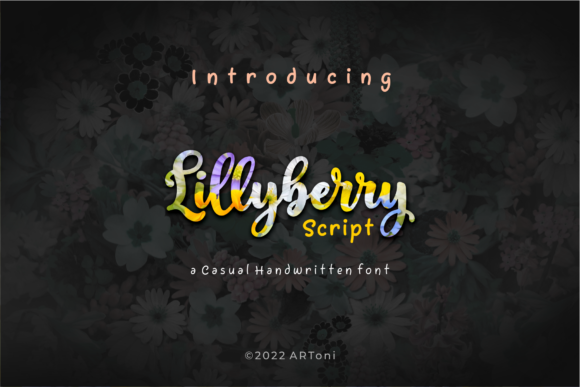
There’s a certain magic in opening a blank brand board and starting from scratch. I recently found myself in that situation while working on a boutique identity project, and it was then that I discovered Lillyberry. As a script handwritten font, Lillyberry brought a level of elegance and personality that felt both fresh and familiar. Its round lettered style and beautiful script made it feel like the perfect match for a brand looking to blend warmth with sophistication.
Lillyberry for Boutique Branding and Logo Design
When I first tested Lillyberry on a logo concept for a small luxury boutique, I immediately noticed its dynamic and flexible nature. The font’s rounded edges gave it a soft, approachable feel, while the flowing script added a touch of artistry. It worked exceptionally well as a headline font, helping to establish the brand’s visual tone without overwhelming the design. I paired it with a modern sans serif font for the body text, creating a balance between creativity and readability.
What stood out most was how easily Lillyberry adapted to different design scenarios. Whether I was sketching out a logo draft or refining a brand board, the font’s versatility allowed me to experiment with various weights and styles. Its PUA encoding also meant I could access all the glyphs and special characters, which was a huge plus when designing custom elements for the brand’s packaging and social media assets.
Lillyberry for Packaging and Product Labels
Another moment that really showcased Lillyberry’s strengths came when I was working on a skincare product line. The client wanted something that felt handcrafted yet professional. Lillyberry fit the bill perfectly, especially on product labels and packaging mockups. Its round lettered style gave the products a friendly, artisanal vibe, while the script element added a sense of elegance.
I used Lillyberry as the primary typeface for the product names, and it looked great in both large and small sizes. Even when scaled down for a label, the font remained legible and visually appealing. I also appreciated the variety of styles and alternates available, which allowed me to create subtle variations without losing the overall brand identity.
Lillyberry for Social Media and Web Design
In the digital space, Lillyberry proved to be just as effective. I used it for a website header and social media layout for a local café, and the results were impressive. The font’s script style added a personal touch to the online presence, making the brand feel more connected to its audience.
One thing I noticed was how well Lillyberry performed across different platforms. Whether it was on a website hero section or an Instagram post, the font maintained its charm and clarity. However, I did caution against using it for long body text or formal corporate materials, as its decorative nature might not always align with a more traditional aesthetic.
Lillyberry for Brand Identity and Editorial Design
When working on a creative studio identity, I found that Lillyberry helped set the tone for the entire brand. Its beautiful script and dynamic flow made it ideal for editorial design projects, where a sense of movement and creativity is essential. I used it for headlines, taglines, and even some decorative elements, and it never felt overdone.
Pairing Lillyberry with a clean serif or sans serif font created a nice contrast that enhanced the overall design. For example, using a modern sans serif for the body text while keeping Lillyberry as the headline font gave the design a balanced and professional look. The font’s flexibility also meant it could be used in both print and digital formats without any issues.
Lillyberry for Handmade and Small Business Projects
For handmade shop branding and small business owners, Lillyberry is a fantastic choice. Its warm and inviting style makes it perfect for product labels, shop signs, and promotional materials. I used it for a bakery packaging project, and it added a charming, handcrafted feel that resonated with the target audience.
One thing to keep in mind is that while Lillyberry is highly versatile, it may not be the best choice for every project. If you’re working on a brand that requires strict readability, especially at smaller sizes or for long-form content, you might want to consider other fonts. That said, for most creative and branding applications, Lillyberry is a reliable and stylish option.
Before using Lillyberry in final client work, I always recommend testing it in different contexts to ensure it meets your design goals. Also, be sure to review the font’s licensing terms, especially if you plan to use it for commercial purposes such as packaging, templates, or merchandise.